For centuries, windows have been a fundamental part of architectural design, serving as our connection to the outside world. Yet, for just as long, the bulky frames of traditional windows have acted as a visual barrier, often interrupting a building’s aesthetic and limiting the flow of light. In a world increasingly focused on open spaces and minimalist design, the traditional window has met its match in the form of a modern innovation: ultra-slim aluminium windows.
At Vitrum, we believe that a window should not just be a necessity but a design feature—a seamless element that enhances a space without dominating it. The choice between a slimline and a traditional window is not merely about style; it is about choosing a different philosophy of design, performance, and functionality that is reshaping how we build and live.
1. The Aesthetic Revolution: The Visual Difference
The most immediate and striking difference between slimline and traditional windows is their appearance. Traditional windows are characterized by thick, often multi-layered frames made from materials like wood, PVC, or steel. While they have their place in certain architectural styles—such as heritage buildings or rustic designs—they can feel heavy in a modern context. Their wide profiles obstruct views and cast deep shadows, creating a sense of being enclosed rather than connected to the external environment.
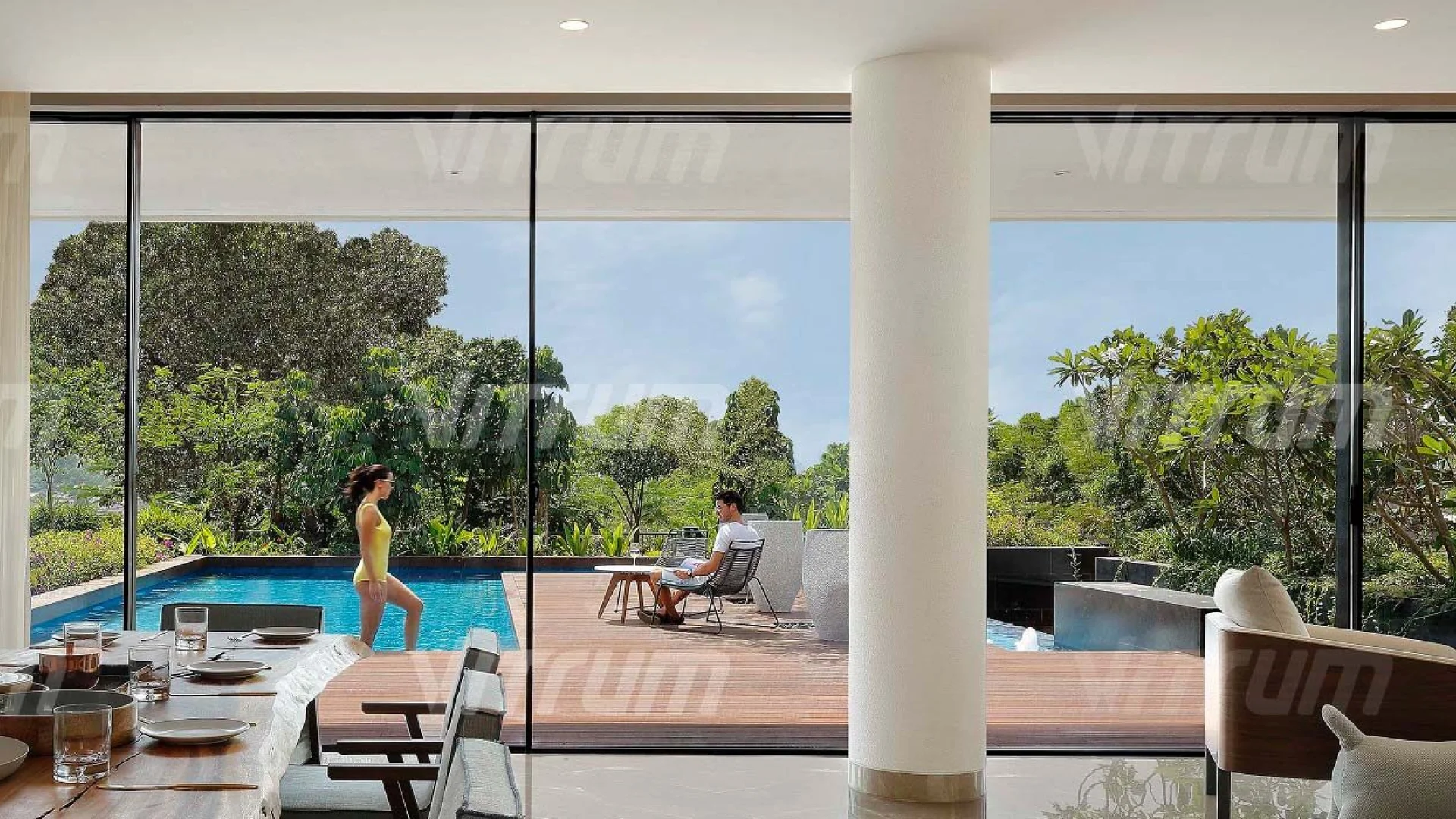
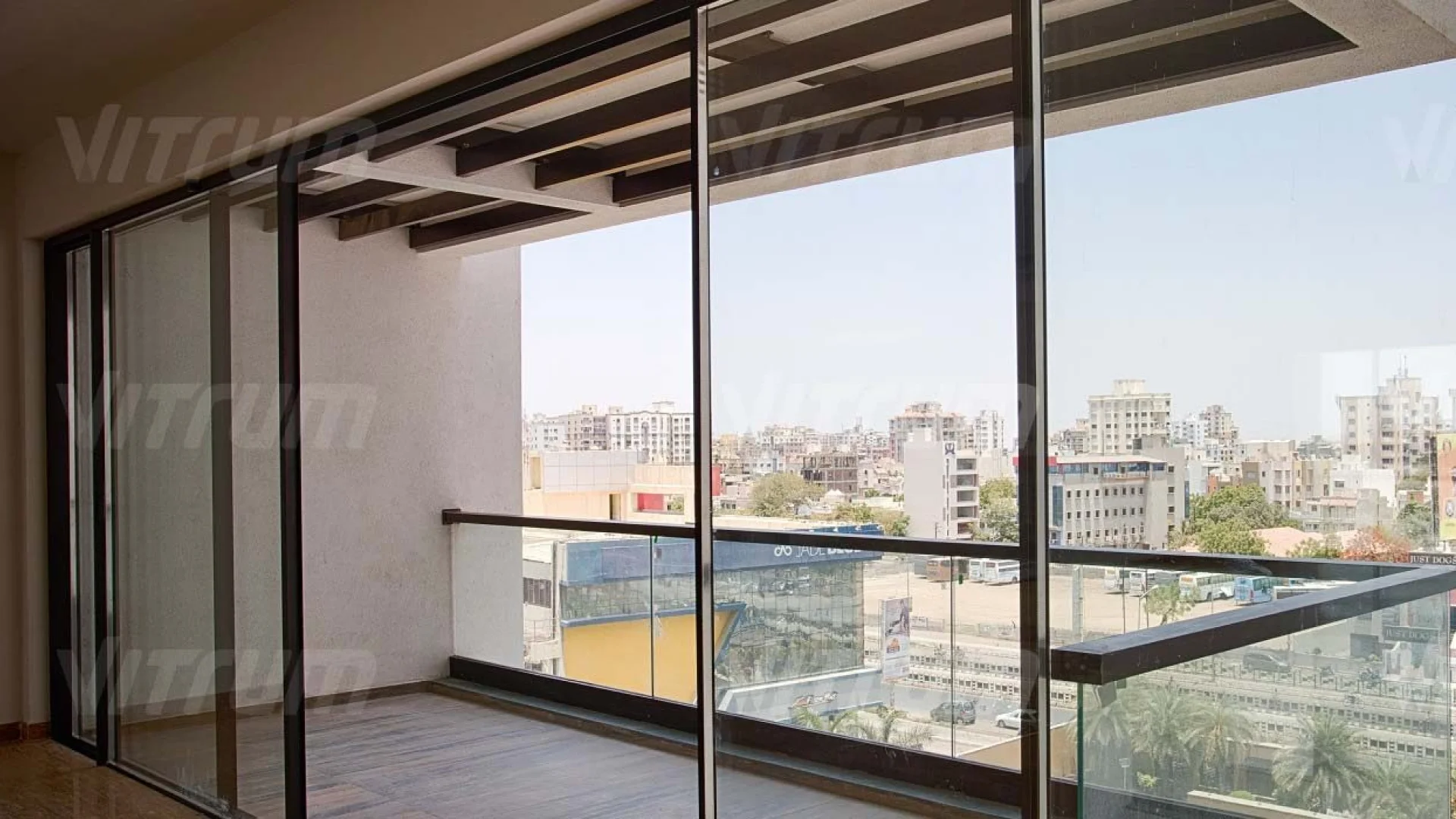
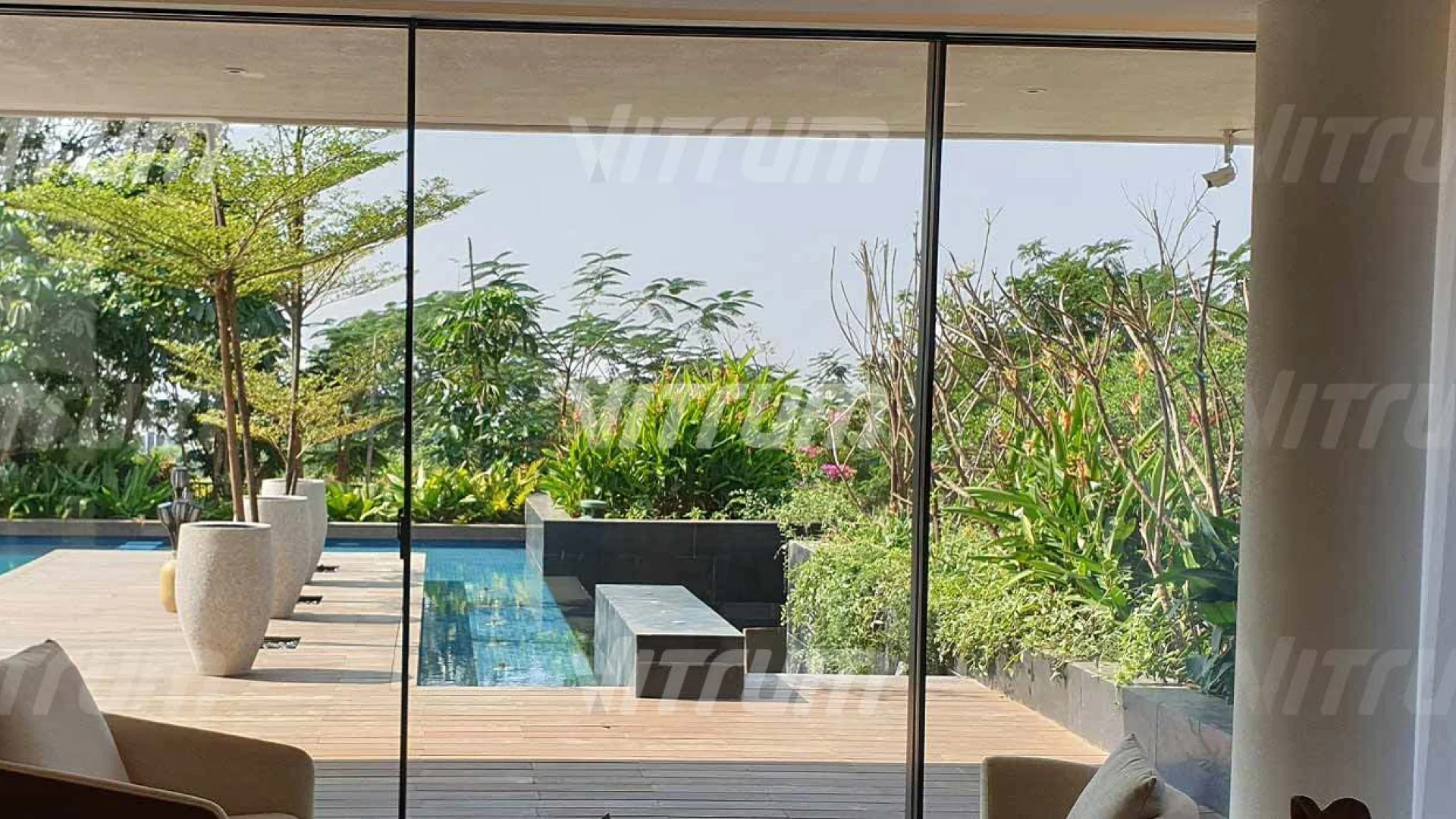
In stark contrast, a slimline window system is defined by its incredibly thin and minimalist profile. The frame is reduced to the bare minimum, often less than an inch thick, to maximize the glass surface area. The result is a clean, almost frameless look that transforms a wall into an expansive canvas of light and scenery. This shift from frame-centric to glass-centric design is at the heart of modern architecture, where the goal is to create a seamless transition between the indoor and outdoor environments. The thin profile aluminium window allows the viewer’s eye to focus on the uninterrupted view, blurring the boundary between the interior and the landscape beyond.
This focus on minimalism is a key reason why ultra slim aluminium windows are the preferred choice for architects and designers creating spaces that feel open, expansive, and sophisticated. The sleek lines and refined aesthetic are timeless and can adapt to any architectural style, from a stark industrial loft to a luxurious contemporary home.
2. Performance and Functionality: Beyond Aesthetics
While the aesthetic appeal of an ultra slim aluminium window system is undeniable, its functional superiority is what truly sets it apart. The delicate appearance belies a robust engineering that surpasses traditional window systems in several key areas.
- Maximizing Natural Light: The most significant advantage of a thin profile aluminium window is its ability to flood a space with natural light. The minimal frame allows up to 20% more sunlight to enter a room compared to a traditional window of the same size. This not only creates a brighter, more inviting atmosphere but also has a profound impact on well-being, improving mood and productivity. For large-scale projects, this influx of light can lead to a substantial reduction in the need for artificial lighting, contributing to significant energy savings.
- Energy Efficiency & Thermal Performance: Despite their slim appearance, modern low profile aluminium windows are engineered for superior thermal performance. Unlike traditional single-pane systems, slimline windows feature thermally broken aluminium profiles and high-performance glazing. This construction creates an effective barrier against heat transfer, keeping interiors cool in the summer and warm in the winter. At Vitrum, we use advanced glazing technologies to ensure our systems meet and exceed strict energy efficiency standards, providing a comfortable and sustainable indoor climate.
- Structural Strength & Durability: Traditional window frames, particularly those made from wood, can be susceptible to warping, rot, and pest damage over time. Aluminium, on the other hand, is an exceptionally strong, durable, and weather-resistant material. A slim frame aluminium window offers the strength to support massive, heavy glass panels without the bulk of a traditional frame, making it a perfect choice for modern, large-format openings and even high-wind environments. This durability ensures the window maintains its integrity and performance for decades, with minimal maintenance.
- Superior Sound Insulation: Noise pollution is a growing concern, especially in urban areas. Our slimline systems are meticulously engineered to provide superior sound insulation, ensuring a tranquil indoor environment. The combination of high-density seals and specialized laminated glass effectively dampens outside noise, allowing you to create a serene sanctuary.
3. The Eco-Friendly Advantage: A Sustainable Choice
In today’s world, sustainability is no longer an option but a necessity. This is another area where the traditional window falls short compared to its modern counterpart. Many traditional frames, especially those made from older materials, are less recyclable and have a higher carbon footprint during manufacturing.
Aluminium is a highly durable and recyclable material. In fact, a significant portion of aluminium used today is recycled, and the recycling process requires a fraction of the energy needed for primary production. By choosing a slimline aluminium window system, you are making a conscious decision for a product with a lower environmental impact and a longer lifecycle.
4. Cost vs. Value: A Long-Term Investment
When comparing a slimline aluminium window system to a traditional one, the initial cost may seem higher. However, it’s crucial to look beyond the price tag and consider the long-term value.
The superior energy efficiency translates to lower heating and cooling bills, providing a quick return on investment. The low maintenance requirements mean no ongoing costs for painting, sealing, or repairs. Most importantly, the dramatic increase in aesthetic appeal and functionality can significantly enhance a property’s value, making the slimline window a wise and profitable investment.
The Final Verdict: A Choice for the Future
While traditional windows will always have a place in historical or period-specific architecture, they simply cannot meet the demands of modern design. The trend towards open-plan living, minimalism, and a deeper connection with nature has created a need for a more elegant and functional solution.
The slimline aluminium window system is not just an upgrade; it is a re-imagination of what a window can be. It is a symbol of forward-thinking design that prioritizes light, space, and performance. Choosing a slimline system is an investment in a cleaner aesthetic, greater energy efficiency, and a more seamless way of living. It’s about choosing a window that, in its subtle elegance, says everything about the space it frames. At Vitrum, we are proud to be at the forefront of this design evolution, crafting bespoke fenestration solutions that are not just windows, but works of art.